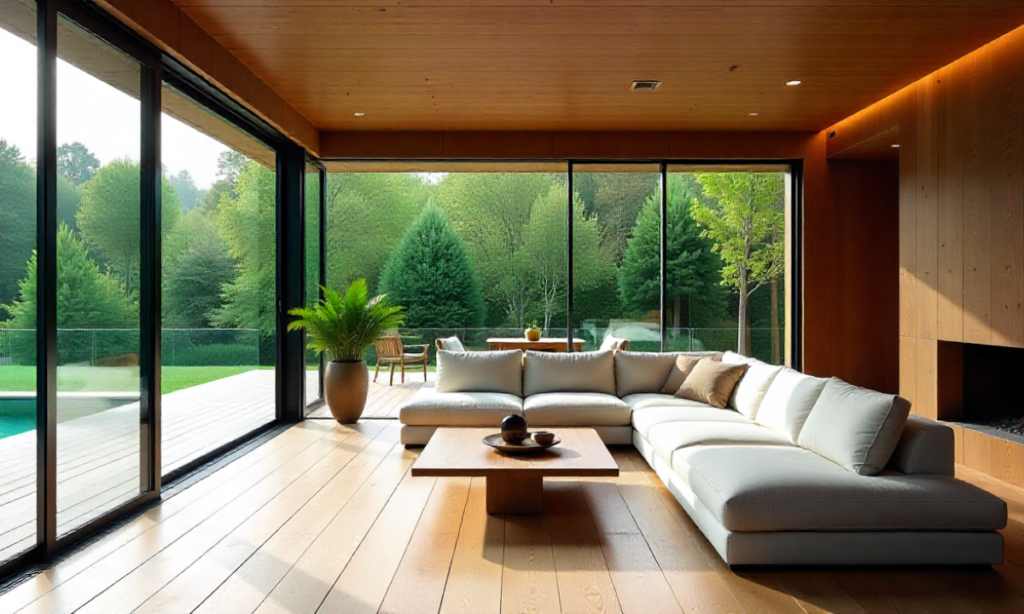
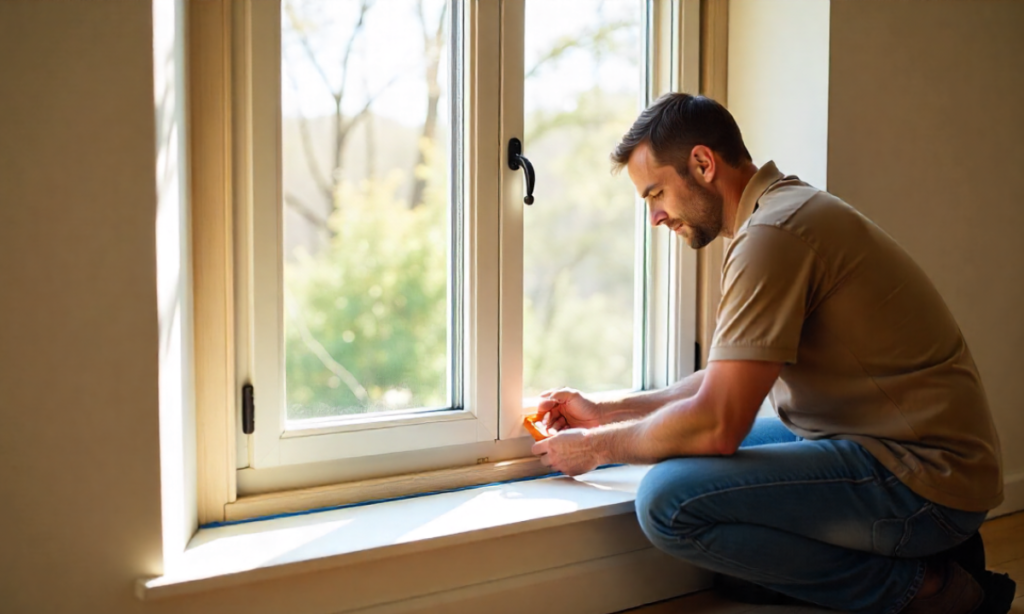
A home should be a place of safety, comfort, and independence. For individuals living with disabilities, however, standard home designs may present challenges that limit mobility and daily activities. Accessible home design aims to remove these barriers and create living environments that support independence and wellbeing. Many families explore solutions such as complex home modifications to adapt existing homes so they better meet the needs of people with mobility or accessibility challenges.
Accessible design focuses on creating spaces that allow individuals to move freely, perform everyday tasks safely, and participate fully in home life. When homes are designed or modified with accessibility in mind, they can significantly improve quality of life.
Understanding Accessible Home Design
Accessible home design involves creating living spaces that accommodate people with a wide range of physical abilities. The goal is to ensure that individuals can navigate their homes safely and comfortably without unnecessary obstacles.
This approach often includes features that improve mobility, increase safety, and provide easier access to essential areas of the home. For individuals who use mobility aids such as wheelchairs or walkers, these adjustments can make everyday activities much easier. Accessible design principles can be incorporated into both new construction and renovation projects.
Supporting Independence in Daily Activities
One of the primary benefits of accessible home design is the ability for individuals to maintain independence in their daily routines. Tasks such as cooking, bathing, dressing, and moving between rooms should be possible without constant assistance. When homes include accessible features, individuals with disabilities can manage these activities with greater confidence. This independence can have a positive impact on both physical and emotional wellbeing. Accessible homes empower individuals to maintain control over their daily lives while reducing reliance on caregivers.
Improving Safety Within the Home
Safety is another important factor in accessible design. Many standard home layouts include potential hazards such as narrow hallways, steep steps, or slippery bathroom surfaces. Accessible design addresses these concerns by incorporating features such as wider doorways, step-free entrances, and non-slip flooring. Bathrooms may include walk-in showers, grab rails, and adjustable fixtures to improve safety. By reducing the risk of accidents or falls, accessible homes help protect residents and provide peace of mind for families.
Enhancing Mobility Throughout Living Spaces
Mobility can be significantly affected by the layout and design of a home. Tight spaces, raised thresholds, or poorly positioned fixtures can make it difficult for individuals with limited mobility to move freely. Accessible homes are designed to provide sufficient space for wheelchairs, mobility aids, and comfortable movement throughout the property. Features such as open floor plans, wider corridors, and easily reachable switches and controls allow residents to navigate their homes more easily.
Creating Inclusive Living Environments
Accessible design benefits not only individuals with disabilities but also family members, visitors, and caregivers. Homes that are designed with accessibility in mind are often easier for everyone to use. For example, step-free entrances can assist parents with strollers, and wider doorways can make moving furniture easier. Inclusive design ensures that homes remain functional and welcoming for people with different needs and abilities.
The Role of Professional Assessment
Designing accessible homes often requires careful planning and professional input. Occupational therapists and accessibility specialists frequently assess the specific needs of individuals before recommending modifications.
These assessments consider factors such as mobility limitations, daily routines, and safety concerns. By understanding the individual’s needs, professionals can recommend design solutions that improve functionality while maintaining comfort and practicality.
Common Features in Accessible Homes
Accessible homes often include a range of features that support mobility and safety. Some of the most common modifications include:
- Step-free entrances and ramps
- Wider doorways and hallways
- Accessible kitchen layouts with adjustable counters
- Bathroom modifications such as walk-in showers
- Grab rails and support bars
- Improved lighting and easily reachable switches
These features help create a home environment that supports independence and reduces barriers.
Long-Term Benefits of Accessible Housing
Accessible design can provide long-term benefits for individuals and families. Homes that accommodate changing mobility needs allow residents to remain in their homes for longer periods. This concept, often referred to as ageing in place, enables individuals to maintain their independence without needing to relocate to assisted living facilities. Accessible homes also support future adaptability, making it easier to adjust the environment if needs change over time.
Supporting Quality of Life
The design of a home can significantly influence an individual’s quality of life. When people feel comfortable and safe in their living environment, they are better able to focus on activities that bring them joy and fulfillment.
Accessible homes support physical wellbeing by reducing physical strain and promoting safer movement. They also support emotional wellbeing by allowing individuals to maintain independence and dignity. These improvements contribute to a more positive and fulfilling living experience.
Conclusion
Accessible home design plays a vital role in supporting individuals with disabilities by creating safe, functional, and inclusive living environments. Through thoughtful planning and practical design features, homes can be adapted to remove barriers and promote independence.
From improved mobility and enhanced safety to greater long-term comfort, accessible homes provide meaningful benefits for residents and their families. By investing in accessibility and thoughtful design, communities can create living spaces that empower individuals with disabilities to live with greater confidence, independence, and quality of life.