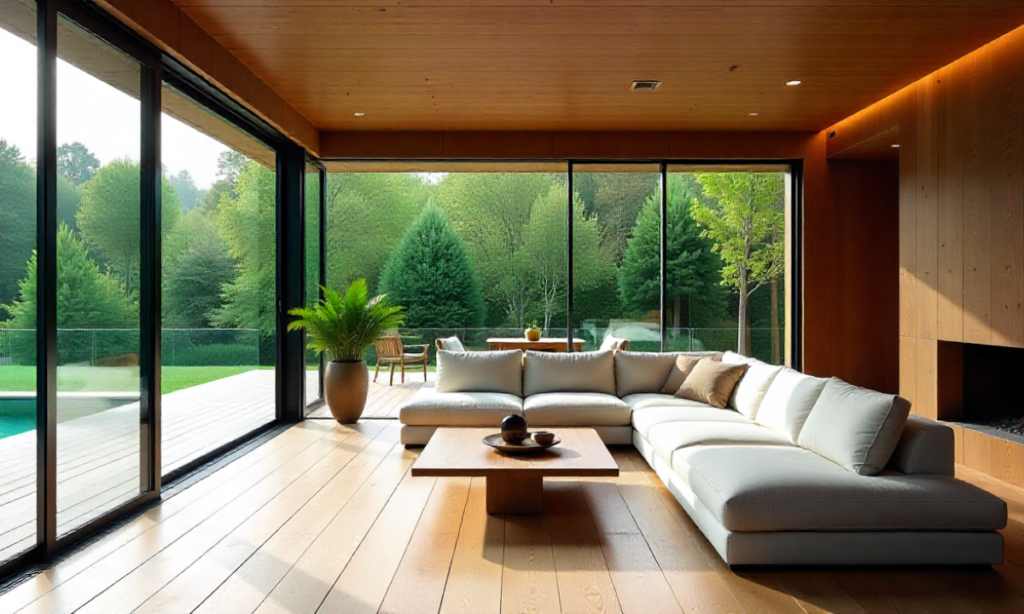
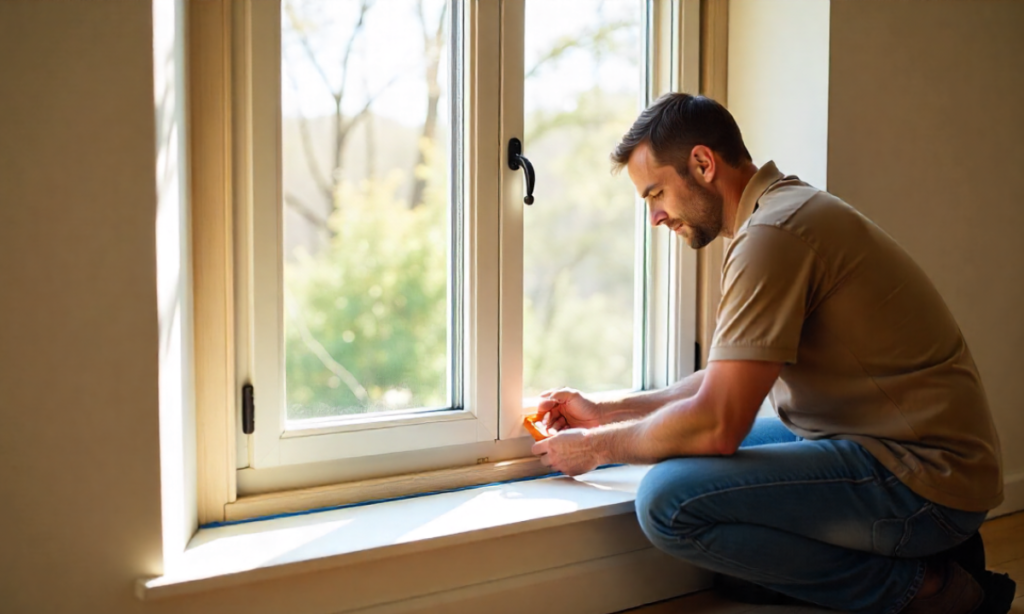
Older apartment layouts often present unique challenges for homeowners and investors. Aging designs can limit space efficiency, reduce comfort, and make daily living less convenient. Many property owners turn to renovating old apartment building to modernize interiors, improve usability, and enhance long-term property value. A carefully planned renovation not only revitalizes the apartment visually but also optimizes its functionality for contemporary lifestyles.
Reassessing the Floor Plan
Older apartments often have layouts that were designed for past lifestyles, resulting in cramped rooms, long corridors, or inefficient connections between spaces. Reassessing the floor plan is the first step in improving functionality. By analyzing how rooms are used and considering the flow of movement, homeowners can identify areas where space can be better utilized. Strategic adjustments, such as opening walls between living areas or converting underused rooms into functional zones, can enhance usability without compromising structural integrity. Modern layouts encourage flexibility, making apartments feel more spacious and organized while allowing the interior to better serve the needs of its occupants.
- Remove Non-Load-Bearing Walls: Eliminating non-structural walls can open up the apartment and improve natural light distribution. Open layouts create a sense of spaciousness and allow more flexibility in arranging furniture. By combining living, dining, and kitchen spaces, residents can enjoy a more social and interactive environment.
- Convert Underused Spaces: Areas such as small hallways or storage nooks can be transformed into practical zones like mini-offices, reading corners, or additional storage. These conversions make better use of available square footage and increase the overall functionality of the apartment.
- Redefine Room Purposes: Some older layouts include rooms that no longer meet the needs of modern lifestyles. Redefining these rooms, for example, turning a formal dining room into a multipurpose workspace, ensures every square foot is optimized for daily living.
Enhancing Storage Solutions
Storage limitations are a common problem in older apartments. Inefficient closets, small cabinets, and lack of built-in storage can make spaces feel cluttered. Introducing clever storage solutions helps maximize space and ensures the apartment functions efficiently for its residents. Many homeowners rely on an experienced apartment renovation company to integrate storage without compromising design aesthetics.
- Install Vertical Storage Units: Utilizing wall height for shelving and cabinets can free up floor space while providing ample storage. Vertical storage solutions can house everything from books to kitchen items, keeping the apartment organized and clutter-free.
- Incorporate Built-In Furniture: Built-in wardrobes, seating with storage, and concealed cabinets combine functionality with design. These features reduce the need for additional furniture while maintaining a cohesive look.
- Use Multifunctional Pieces: Furniture that doubles as storage, such as ottomans with compartments or beds with drawers, maximizes usable space. These practical pieces help maintain a tidy environment while ensuring all essentials are easily accessible.
Upgrading Utilities and Systems
Older apartments often suffer from outdated plumbing, electrical systems, and heating or cooling infrastructure. Upgrading these utilities is critical for functionality, safety, and long-term convenience. Modernized systems support the addition of energy-efficient appliances, smart home features, and improved climate control. Renovations that include these upgrades enhance comfort and usability while increasing property value for residents and potential buyers.
- Electrical System Modernization: Replacing old wiring and installing additional outlets ensures the apartment meets contemporary energy demands. Modern electrical systems can support new appliances, work-from-home setups, and advanced lighting solutions safely.
- Plumbing Improvements: Updating pipes and fixtures prevents leaks and improves water efficiency. Modern plumbing enhances the functionality of bathrooms and kitchens while reducing maintenance issues over time.
- Heating and Cooling Upgrades: Replacing outdated HVAC units with energy-efficient systems enhances comfort and reduces operational costs. Properly zoned heating and cooling improve temperature consistency throughout the apartment.
Maximizing Natural Light and Ventilation
Older layouts may block natural light or restrict airflow, making spaces feel smaller and less inviting. Renovations that improve window placement, add skylights, or remove barriers to airflow can transform these apartments into bright, airy, and more functional environments. Enhancing natural light also reduces energy consumption by minimizing the need for artificial lighting during the day.
- Enlarge or Add Windows: Larger windows bring in more daylight and create a visual connection to the outdoors. Improved lighting can make rooms feel more open and comfortable while enhancing the overall ambiance.
- Open-Air Balconies or Terraces: Expanding balconies or creating accessible terraces improves ventilation and provides additional usable space. Outdoor connections increase livability and give residents more options for relaxation or entertaining.
- Use Reflective Surfaces: Mirrors and light-colored finishes amplify natural light, making interiors feel more spacious and welcoming. This approach complements the improved layout and modernized design.
Modernizing Kitchens and Bathrooms
Kitchens and bathrooms are often the most outdated areas in older apartments. Renovations focused on these rooms enhance both aesthetics and usability. Installing modern appliances, efficient fixtures, and ergonomic layouts improves daily routines and adds long-term value. An apartment renovation company can integrate space-saving designs, durable materials, and contemporary finishes that complement the overall layout while addressing functionality challenges.
- Upgrade Fixtures and Fittings: Modern sinks, faucets, and showerheads improve efficiency and reduce water consumption. Sleek fixtures also contribute to a fresh, updated appearance.
- Optimize Cabinet Layouts: Cabinets with pull-out drawers, vertical organizers, and built-in compartments improve storage efficiency and accessibility. This allows for a cleaner, more organized kitchen or bathroom.
- Incorporate Energy-Efficient Appliances: Appliances that use less energy and space make daily tasks easier and reduce utility costs. Smart appliance placement also ensures maximum functionality in compact layouts.
Conclusion
Improving functionality in older apartment layouts requires a combination of careful planning, intelligent design, and strategic upgrades. Reassessing floor plans, enhancing storage, modernizing utilities, maximizing natural light, and renovating kitchens and bathrooms all contribute to creating efficient, livable spaces. Many property owners rely on renovating old apartment building projects executed by skilled professionals to achieve these improvements. For homeowners seeking expert guidance, the professional expertise and design solutions offered by Haifa Renov8, a trusted apartment renovation company, ensure that older apartments are transformed into modern, highly functional, and aesthetically appealing homes.