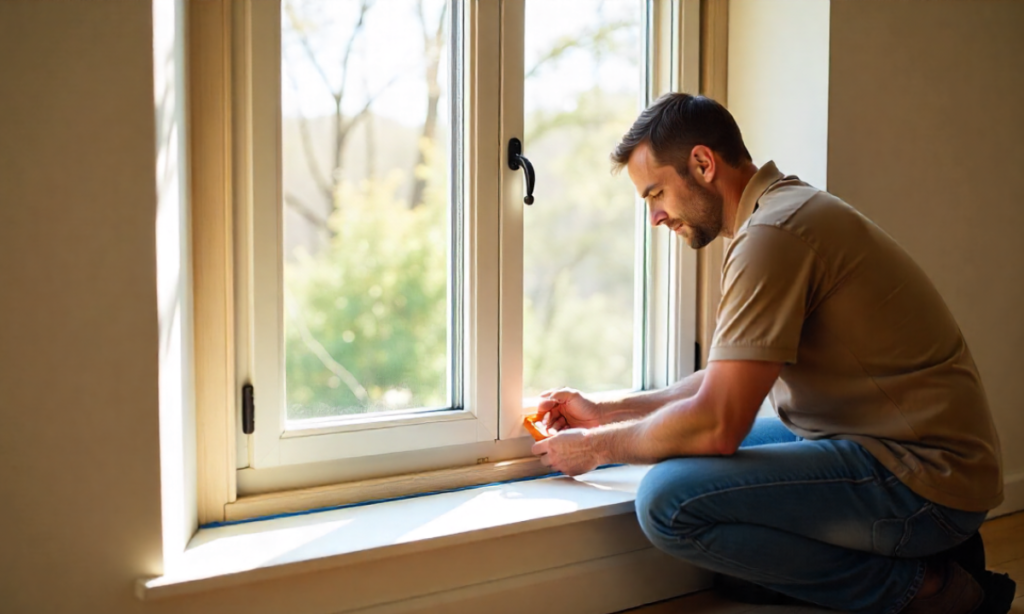
Home renovation is an exciting opportunity to improve your living space, increase your property’s value, and create a home that better suits your lifestyle. However, many homeowners jump into projects without proper planning, which often leads to unexpected expenses, delays, and frustration. Learning how to start home renovations homenumental is about more than choosing paint colors or new flooring—it’s about creating a clear roadmap that guides every stage of the renovation process.
Whether you’re updating a single room or planning a complete home makeover, the right preparation can save time, money, and stress. A successful renovation begins with understanding your goals, assessing your home’s current condition, setting a realistic budget, and creating a detailed plan before any work begins.
What Does “How to Start Home Renovations Homenumental” Mean?
Before purchasing materials or hiring contractors, it’s important to understand what a successful renovation process looks like. The phrase how to start home renovations is a structured, step-by-step approach that prioritizes planning, budgeting, safety, and quality workmanship instead of rushing into expensive improvements.
Unlike cosmetic upgrades alone, a well-planned renovation considers your home’s long-term functionality, maintenance needs, energy efficiency, and resale value. Every decision should support both your current lifestyle and future goals.
Understanding the Renovation Journey
Every renovation project follows a series of important stages:
- Identifying renovation goals
- Inspecting the home’s condition
- Creating a renovation budget
- Developing a project timeline
- Hiring qualified professionals when necessary
- Completing construction work
- Performing final inspections
Skipping any of these steps can increase costs and create avoidable setbacks. Understanding how to start home renovations homenumental means treating your renovation as a carefully managed project rather than a collection of random upgrades.
Why Planning Matters Before Any Renovation
Planning is the foundation of every successful home improvement project. It helps you:
- Prevent costly design changes
- Stay within budget
- Reduce project delays
- Coordinate contractors efficiently
- Purchase materials at the right time
- Meet local building regulations
Many renovation problems happen because homeowners begin demolition before finalizing designs or budgets. Careful preparation significantly reduces these risks.
Define Your Renovation Goals
The first practical step in how to start home renovations homenumental is deciding exactly what you want to achieve. Without clear objectives, it’s easy to overspend or lose focus during the project. Ask yourself questions such as:
- Which areas of the home need improvement?
- Are you renovating for comfort or resale?
- What problems need immediate attention?
- Which upgrades can wait until later?
For example, a growing family may prioritize adding storage and improving kitchen functionality, while someone preparing to sell may focus on updating bathrooms, repainting interiors, and improving curb appeal.
Separate Needs from Wants
A practical renovation plan distinguishes between essential improvements and optional upgrades.
Essential improvements may include:
- Roof repairs
- Electrical upgrades
- Plumbing repairs
- Foundation issues
- Water damage restoration
Optional improvements may include:
- Luxury flooring
- Decorative lighting
- Smart home features
- Designer fixtures
- Custom cabinetry
Evaluate Your Home’s Current Condition
A thorough inspection helps you understand what requires attention before beginning renovations. This is one of the most overlooked aspects of how to start home renovations homenumental, yet it can prevent expensive surprises after work has already started. Walk through every room and carefully examine:
- Walls and ceilings for cracks
- Floors for uneven surfaces
- Windows and doors for drafts
- Roofing for leaks
- Plumbing fixtures
- Electrical outlets
- Heating and cooling systems
Older homes often hide problems behind walls or beneath flooring. Investing in a professional inspection before renovation can reveal structural issues that should be resolved first.
Look Beyond Cosmetic Problems
Fresh paint cannot solve hidden issues like mold, outdated wiring, or water damage. Prioritizing repairs ensures your renovation investment lasts for many years. Creating a written inspection checklist also helps contractors provide more accurate project estimates.
Set a Realistic Renovation Budget
Budgeting is one of the most important parts of how to start home renovations homenumental. Many projects exceed expectations because homeowners focus only on visible expenses while overlooking permits, labor costs, material price increases, and unexpected repairs. Start by estimating costs for:
- Materials
- Labor
- Permits
- Professional inspections
- Interior finishes
- Waste removal
- Temporary accommodation, if needed
Experts generally recommend setting aside an additional 10–20% of your total budget as a contingency fund for unforeseen expenses. This financial cushion can help you manage surprises without delaying the project or compromising quality.
Prioritize Renovation Projects
After evaluating your home and establishing a budget, the next step in how to start home renovations homenumental is deciding which projects should be completed first. Attempting to renovate everything at once can quickly overwhelm your budget and timeline. Prioritizing tasks allows you to focus on improvements that have the greatest impact on safety, functionality, and long-term value. A practical approach is to divide projects into three categories:
- Critical repairs: Structural damage, roof leaks, electrical hazards, plumbing issues, or foundation problems.
- Functional upgrades: Kitchen remodeling, bathroom improvements, storage solutions, or energy-efficient windows.
- Cosmetic updates: Fresh paint, decorative lighting, flooring, landscaping, and interior décor.
For example, replacing damaged plumbing before installing new cabinets prevents costly repairs later. Likewise, repairing a leaking roof before repainting ceilings protects your investment.
Create a Renovation Timeline
Every successful renovation needs a realistic schedule. Breaking the project into smaller milestones helps you monitor progress and avoid unnecessary delays. A simple timeline may include:
- Week 1–2: Planning and design
- Week 3–4: Permits and contractor selection
- Week 5–8: Structural repairs
- Week 9–12: Plumbing and electrical work
- Week 13–16: Interior finishes and final inspections
Remember that weather conditions, material availability, and contractor schedules may affect completion dates. Building extra time into your plan helps reduce stress if unexpected delays occur.
Gather Design Inspiration
One of the most enjoyable parts of how to start home renovations homenumental is exploring design ideas. Before purchasing materials, spend time researching layouts, finishes, and styles that complement your home’s architecture and your personal preferences. Look for inspiration from:
- Home design magazines
- Professional renovation portfolios
- Showrooms
- Model homes
- Interior design websites
Instead of copying a single design, combine ideas that improve both appearance and functionality. Consider how each room will be used daily and choose materials that are durable as well as attractive.
Balance Style with Practicality
A beautiful renovation should also be easy to maintain. For example, families with children or pets may prefer scratch-resistant flooring, washable paint, and stain-resistant countertops instead of delicate finishes that require constant care. Selecting timeless designs rather than short-lived trends can also increase your home’s resale value.
Read more: Is Quikconsole com Worth Using? Honest Review
Research Building Codes and Permits
Many homeowners overlook permits, yet they are an essential part of how to start home renovations homenumental. Depending on your location and the type of renovation, local authorities may require permits before construction begins. Projects that often require approval include:
- Structural modifications
- Electrical upgrades
- Plumbing changes
- Room additions
- Deck construction
- Roof replacement
Ignoring permit requirements can result in fines, project delays, insurance complications, or difficulties when selling your home in the future. If you’re hiring a licensed contractor, confirm who is responsible for obtaining permits before work starts.
Understand Local Building Regulations
Building codes exist to protect homeowners by ensuring renovations meet safety standards. Requirements vary by region, so always verify local regulations before beginning major work.
Hire the Right Contractors
Choosing experienced professionals can make a significant difference in the success of your renovation. One of the smartest decisions when learning how to start home renovations homenumental is taking time to research contractors instead of accepting the lowest quote immediately. Before hiring anyone:
- Verify licenses and insurance.
- Read customer reviews.
- Ask for references.
- Review previous renovation projects.
- Request detailed written estimates.
- Discuss timelines and payment schedules.
A trustworthy contractor communicates clearly, answers questions honestly, and provides realistic expectations instead of making promises that seem too good to be true.
Purchase Quality Materials
Another important step in how to start home renovations homenumental is selecting materials that provide long-term value rather than simply choosing the cheapest option. When comparing products, consider:
- Durability
- Maintenance requirements
- Energy efficiency
- Warranty coverage
- Environmental impact
- Overall lifetime cost
For example, premium flooring may cost more initially but can last decades with minimal maintenance, making it a better investment than inexpensive alternatives that require frequent replacement.
Buy Materials at the Right Time
Ordering materials early helps prevent delays caused by backorders or shipping issues. Keep all receipts and warranty documents organized, as they may be needed for future repairs or insurance claims.
By combining quality materials with skilled workmanship, homeowners create renovations that remain attractive, functional, and valuable for many years. More importantly, following these steps ensures that how to start home renovations homenumental becomes a well-planned process rather than a stressful experience filled with costly surprises.
Prepare Your Home Before Renovation Begins
Before construction starts, prepare your home to minimize disruption and protect your belongings.
- Move furniture and valuables to a safe place.
- Cover floors and remaining furniture with protective sheets.
- Set up a temporary kitchen or living space if needed.
- Keep children and pets away from work areas.
- Discuss work hours and safety rules with your contractor.
Good preparation helps the renovation run more smoothly.
Monitor Progress Throughout the Project
Stay involved during the renovation to ensure everything is completed according to the plan.
- Review progress regularly.
- Track your budget and expenses.
- Communicate openly with your contractor.
- Approve changes in writing.
- Address issues early before they become costly.
Regular monitoring keeps your project on schedule and within budget.
Complete Final Inspections and Finishing Touches
Before making the final payment, inspect every completed area.
- Check workmanship quality.
- Test plumbing, electrical, and appliances.
- Create a list of unfinished items (punch list).
- Collect warranties and maintenance documents.
- Deep clean the renovated spaces.
A careful final inspection ensures your renovation meets your expectations.
Home Renovation Planning Checklist
| Stage | Key Tasks |
| Planning | Set goals, create a budget, inspect the home |
| Design | Choose layouts, materials, and finishes |
| Preparation | Obtain permits and hire qualified contractors |
| Construction | Complete repairs, installations, and remodeling |
| Completion | Inspect work, resolve issues, and organize documents |
Expert Tips for a Successful Renovation
- Set aside 10–20% of your budget for unexpected expenses.
- Focus on improvements that increase your home’s value.
- Invest in durable, energy-efficient materials.
- Keep all renovation documents and receipts.
- Be patient—quality work takes time.
Final Verdict
How to start home renovations homenumental begins with careful planning and ends with a well-executed project that improves both your home’s comfort and value. By setting clear goals, creating a realistic budget, hiring experienced professionals, choosing quality materials, and monitoring progress, you can avoid common renovation challenges and achieve lasting results. Whether you’re remodeling a single room or your entire home, following a structured approach will help turn your renovation vision into reality.
FAQs
Q1: What is the first step in home renovation?
Ans: The first step is defining your renovation goals, inspecting your home, and creating a realistic budget.
Q2: How much should I budget for unexpected costs?
Ans: Experts recommend keeping an extra 10–20% of your renovation budget for unforeseen expenses.
Q3: Should I renovate one room at a time?
Ans: Yes. Renovating in phases is often easier to manage and reduces financial pressure.
Q4: Do all renovations require permits?
Ans: No. Minor cosmetic updates usually don’t, but structural, plumbing, and electrical work often require permits.
Q5: How long does a home renovation take?
Ans: Small projects may take a few weeks, while complete home renovations can take several months.
Q6: Should I hire a contractor or do it myself?
Ans: DIY works for simple tasks, but complex electrical, plumbing, and structural work should be handled by licensed professionals.
Q7: How can I stay within my renovation budget?
Ans: Plan carefully, compare contractor quotes, avoid unnecessary changes, and maintain an emergency fund.