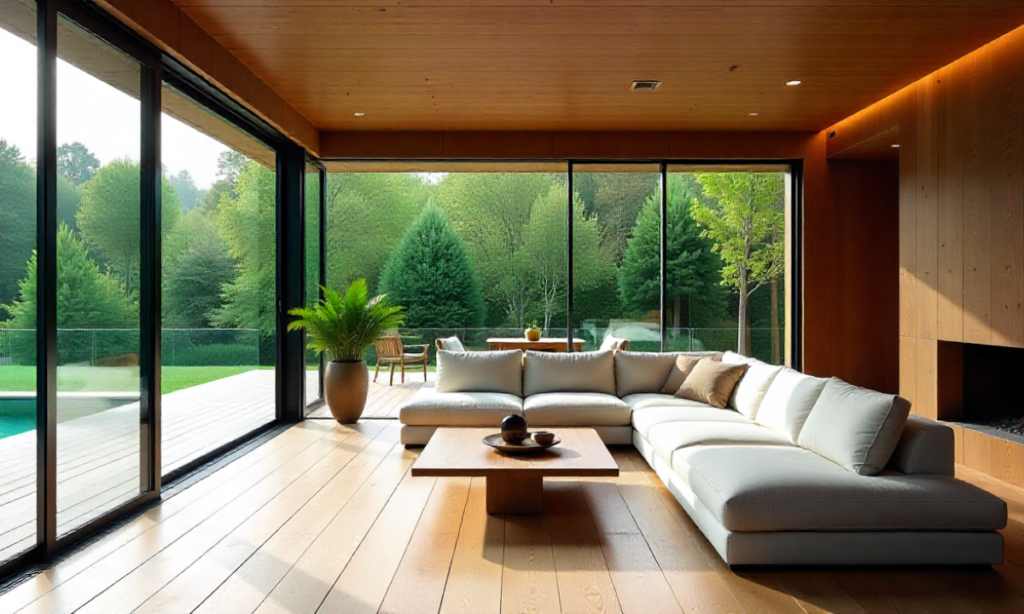
Buying a new home on a budget no longer means sacrificing quality. Many affordable new homes now offer efficient layouts, modern finishes, and practical features at more accessible price points.
Whether you’re a first-time buyer, downsizing, or need more space, knowing what to look for can help you make a smarter decision. According to NAHB, 76.4 million households, or 57% of U.S. households, cannot afford a $300,000 home, making value a key factor. In the Southeast, communities like Old Samford and Oak Creek offer Auburn new homes from the upper $300s, plus financing incentives.
Affordable New Homes That Work for Real Budgets and Real Lives
“Affordable” no longer means bare-bones. It doesn’t mean cookie-cutter hallways and builder-grade everything anymore. Today’s affordable new homes come with modern home layouts, efficient mechanical systems, and finishes that hold up against much pricier builds.
Affordable modern house plans have shifted their priority from raw square footage to actual function, and that shift matters enormously. Stack energy-efficient new homes on top of that, and suddenly your monthly cost picture looks far better than the sticker price might suggest.
This guide will walk you through cost-saving design decisions, layout strategies, energy performance, and financing, plus the red flags worth watching for along the way.
What Actually Makes Affordable New Homes Budget-Friendly
Real affordability begins at the drawing board. Two design decisions made early in the process can save you tens of thousands. That’s not marketing language, that’s structural reality.
Smart Design Decisions From the Start
Compact footprints, clean rooflines, and efficient structural grids are where genuine savings live. Every awkward angle, every roofline break, every unnecessary corner adds to both materials and labor. It adds up faster than you’d think.
Cutting formal dining rooms and oversized entry foyers might sting a little, until you realize that freed-up budget can go toward better insulation, durable flooring, or a high-efficiency HVAC system. Affordable modern house plans make this tradeoff deliberately, redirecting money toward what you’ll actually use every day, especially in markets like Auburn new homes, where efficiency and value are key considerations.
Floorplan Choices That Save You Money for Decades
One-story homes typically cost more per square foot to build, but they cost less to heat and cool. Two-story plans reduce foundation and roof costs in ways that can meaningfully offset that difference. Neither is universally better; it depends on your lot, your climate, and your lifestyle.
Stacking plumbing is one of the oldest tricks in the book: bathrooms above each other, kitchen and laundry sharing walls. It cuts construction costs and future repair bills. Skipping the oversized formal entry and right-sizing the garage frees up room in the budget for systems that genuinely matter long-term.
Where to Spend and Where to Skip on Finishes
Some upgrades photograph beautifully and wear out within five years. Others quietly pay for themselves over decades. Structural quality and mechanical performance should always come before cosmetic choices.
High-impact, low-cost wins include luxury vinyl plank flooring, upgraded insulation, LED lighting throughout, and solid-core interior doors in key spots. These hold up. They perform. And they impress future buyers when the time comes.
Modern Home Layouts That Make Modest Square Footage Feel Generous
Great layouts don’t require sprawling floor plans. They require clear thinking, and that’s precisely where today’s modern home layouts deliver.
Open-Concept Spaces With Zones That Actually Work
Open-concept main floors borrow visual space from every direction. A kitchen, dining area, and living room sharing a single footprint, separated by a well-placed island, a shift in lighting, or a thoughtful furniture arrangement, can feel surprisingly spacious at 1,400 square feet.
Sightlines are underrated. When natural light can move through a room without obstruction, even a modest plan feels bright and alive. Families and people who entertain tend to love this arrangement for exactly that reason.
Flex Rooms That Grow With You
A single flex room can serve a dozen purposes across the life of a home, such as a home office, playroom, guest room, and workout space. Add a closet and a sliding door, and that den becomes a legal bedroom when the market demands it. Clever and valuable.
Smaller “micro-flex” zones matter too. A built-in desk nook off the kitchen, window seats with under-seat storage, or a modest loft space can absorb daily functions without consuming a full room’s worth of square footage. These details add up.
Kitchens Designed for the Way People Actually Live
In budget-friendly modern homes, the kitchen carries everything. Open to the great room, anchored by an island with seating, backed by a walk-in pantry, this layout covers cooking, gathering, and storage without needing excessive square footage.
Affordable finish strategies work especially well here: quartz-look countertops paired with clean cabinet boxes, a few open shelves for personality, and upgraded hardware to pull it together. The result looks thoughtful without carrying a custom price tag.
Primary Suites That Feel Like a Retreat Without the Splurge
A walk-in closet, double-vanity bathroom, and a large shower in place of a tub-and-shower combo cover everything most buyers want, at a fraction of the cost of a full spa bath upgrade.
Placing the primary suite at the rear of the home, separated from secondary bedrooms, adds privacy without structural complexity. Wider doorways and a curbless shower are smart aging-in-place details that also just look cleaner. More modern. Worth considering.
Energy-Efficient New Homes That Lower Your Bills Every Single Month
Smart layouts make a home livable. Energy-efficient construction is what makes it affordable to operate, month after month, year after year.
Building Shell Performance Is Where It Starts
The building envelope, insulation levels, air sealing, and window quality determine how hard your HVAC works every day. A tighter, better-insulated envelope means lower bills, more consistent comfort, and fewer mechanical complaints over the years.
An ENERGY STAR-certified home saves owners more than 20% annually on utility bills on average. That compounds into serious money over time. Choosing energy-efficient new homes isn’t just a principled decision; it’s a financial one.
Systems That Work for You Automatically
High-efficiency heat pumps, smart thermostats, and ERV ventilation don’t just cut bills; they make the home more comfortable to be in daily. Tankless or hybrid water heaters and water-saving fixtures pay back quickly and with minimal hassle.
ENERGY STAR appliances are a straightforward yes for budget-focused buyers. Many builders now include them as standard, which means the savings are already baked in before you unpack a single box.
Turning Your Affordable Modern Home Vision Into a Reality
Bringing everything together, efficient layouts, high-performance systems, thoughtful finishes, and financing that actually fits your life, is genuinely within reach. The key is starting with clear priorities: what must this home do well, and what can wait?
Start by writing down your five non-negotiables. Tour model homes with a critical eye, look past the staging, and look at the bones. Ask pointed questions about what’s standard versus what’s an upgrade. Get pre-approved before you fall in love with a floor plan, and factor in total monthly costs, utilities, HOA, taxes, not just the mortgage payment, before you commit.
Affordable new homes built around modern home layouts and energy-efficient new homes principles are not a compromise. They’re a smarter way to buy. And right now, with the right guidance, they’re more within reach than most buyers expect.
Final Thoughts on Affordable New Homes With Modern Features
Affordability and quality are not opposites. They just require smarter choices and clearer priorities. Focusing on efficient layouts, high-performance building envelopes, and genuinely flexible spaces gives you more home for less money, both at closing and every month that follows. Whether you’re exploring plans locally or researching from scratch, the principles here translate anywhere. The best affordable modern house plans are the ones that match how you actually live. Those homes exist right now. They’re ready to be found.
Common Questions About Affordable New Homes With Modern Features
Are affordable new homes a good buy in a high-interest-rate environment?
Yes, especially when energy efficiency reduces monthly operating costs. Total cost of ownership, including utilities, can still beat older homes with aging systems. Think beyond the mortgage rate.
Do budget-friendly modern homes hold their value well?
Generally, yes. Flexible layouts, efficient systems, and neutral-but-modern finishes tend to appeal to a wide range of future buyers, which supports long-term value.
How small can a modern layout realistically be for a family of four?
A well-designed 1,400–1,600 sq ft home with open living, three bedrooms, and one flex space can work comfortably, especially with smart storage and defined zones.