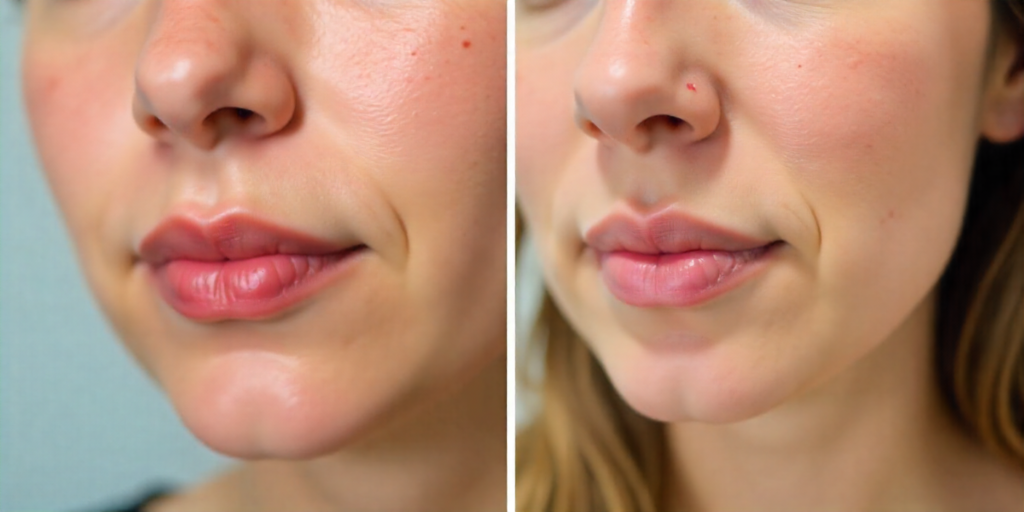
Facial rejuvenation techniques have advanced significantly in recent years, giving patients a range of surgical options depending on their goals and the extent of ageing changes. Modern facelift procedures focus on restoring facial contours, improving skin laxity and achieving natural-looking results rather than creating an overly tight appearance. Many people researching cosmetic procedures explore options such as the Ponytail facelift in Sydney by Dr John Flood, a technique designed to create a subtle lifting effect in specific areas of the face.
Understanding how modern facelift techniques work can help patients make informed decisions about which procedure may best suit their needs.
How Facial Ageing Affects Appearance
As people age, several natural changes occur in the face. Skin gradually loses elasticity, underlying tissues shift downward and facial fat distribution changes. These factors contribute to common signs of ageing such as sagging cheeks, softening of the jawline and fine lines around the eyes.
Gravity and reduced collagen production also affect facial structure over time. While non-surgical treatments can address minor concerns, surgical procedures are often recommended when deeper structural changes occur. Facelift surgery aims to reposition tissues and restore youthful facial contours while maintaining a natural appearance.
The Evolution of Facelift Techniques
Traditional facelift procedures primarily focused on tightening the skin. While this approach improved certain visible signs of ageing, it sometimes resulted in an unnatural “pulled” look. Modern techniques focus on repositioning deeper tissues and muscles beneath the skin to create more balanced and long-lasting results. Surgeons now consider the entire facial structure rather than addressing only surface wrinkles. Different facelift techniques target specific areas of the face and vary in complexity, recovery time and results.
What Is a Ponytail Facelift?
The ponytail facelift is a modern cosmetic procedure designed to lift the upper and mid-face areas, including the cheeks and temples. The name comes from the subtle lifting effect similar to the appearance created when hair is pulled upward into a ponytail. Unlike more extensive facelift procedures, this technique focuses on targeted rejuvenation rather than comprehensive facial restructuring. The procedure typically involves small incisions placed behind the ears and within the hairline. This approach allows surgeons to access and reposition facial tissues while keeping scars discreet and hidden. By gently lifting the mid-face and jawline areas, the procedure restores facial contours while maintaining a natural expression.
Who May Be a Suitable Candidate
The ponytail facelift is often considered by individuals who have mild to moderate signs of facial ageing. It is generally suited to people who want subtle improvements without undergoing a more extensive surgical procedure.
Suitable candidates may experience concerns such as:
- Mild sagging in the cheeks
- Loss of definition around the jawline
- Early signs of skin laxity
- Desire for a refreshed appearance
Because the procedure focuses on specific areas of the face, it may not address significant skin laxity in the neck or lower face. A consultation with a qualified surgeon helps determine whether this technique aligns with a patient’s facial anatomy and aesthetic goals.
Recovery and Healing Process
One of the advantages of the ponytail facelift is its relatively shorter recovery time compared with more invasive facelift procedures. Patients commonly experience mild swelling, bruising and temporary tightness in the treated areas during the initial healing period. These effects typically begin to improve within the first couple of weeks after surgery. Many patients can resume normal non-strenuous activities within approximately two weeks, although individual recovery timelines may vary depending on personal health and surgical details. Following post-operative instructions carefully is important to support healing and achieve optimal results.
Comparing Different Facelift Techniques
Facelift procedures vary in how deeply they reposition facial tissues and the areas they target.
For example:
- Deep plane facelift: Addresses deeper facial tissues and muscles to treat more significant sagging.
- Mini facelift: Focuses on the lower face and jawline using smaller incisions.
- Ponytail facelift: Targets the mid-face and temples for a subtle lift.
Each technique has different levels of invasiveness, recovery times and results. Choosing the right procedure depends on factors such as skin condition, age, facial structure and desired outcome.
The Importance of Professional Consultation
Cosmetic surgery requires careful planning and professional assessment. A qualified plastic surgeon evaluates the patient’s facial structure, skin quality and medical history before recommending a specific treatment approach. During consultation, patients can discuss their goals and learn about the benefits, limitations and potential risks of each procedure. Understanding these factors helps ensure realistic expectations and safe outcomes.
Maintaining Long-Term Results
While facelift procedures can significantly improve facial appearance, ageing continues naturally over time.
Maintaining healthy skin habits can help prolong results. Common recommendations include:
- Protecting skin from sun exposure
- Following consistent skincare routines
- Maintaining a balanced diet and healthy lifestyle
- Attending follow-up consultations when recommended
These practices support long-term skin health and overall facial appearance.
Conclusion
Modern facelift techniques provide patients with a variety of options to address different stages of facial ageing. Procedures such as the ponytail facelift focus on targeted rejuvenation, helping restore youthful contours while maintaining natural facial expression.
Understanding how these procedures work, along with their benefits and limitations, allows individuals to make informed decisions about cosmetic treatments. With proper consultation and realistic expectations, modern facial surgery can provide subtle, balanced improvements that enhance confidence and overall appearance.